
Palm Trees in Phoenix Yards – A Common Spot for Bee Swarms
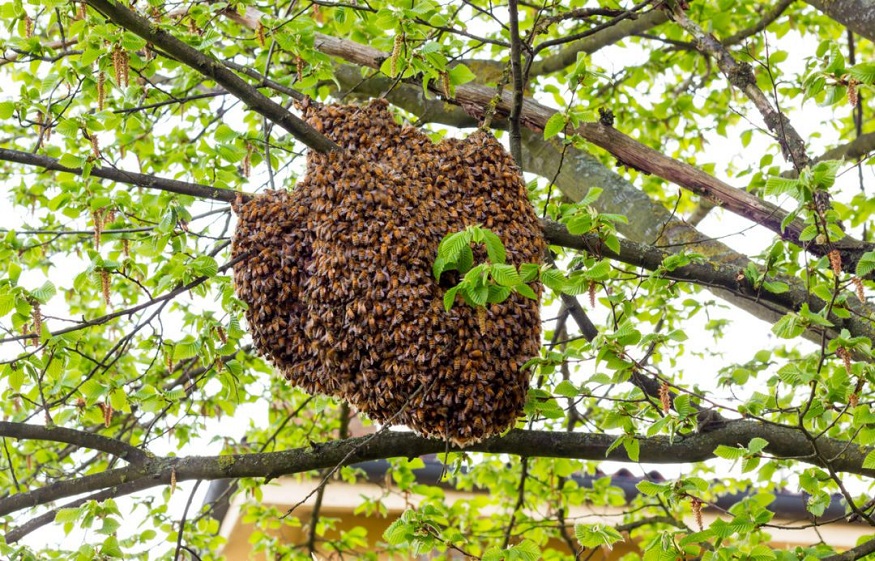
Phoenix is blue skies and palm-tree-lined streets, sun-baked yards. But those iconic palm trees? However, they have an unanticipated issue that comes with the territory: bee swarms. Arizona has one of the largest populations of Africanized honey bees anywhere in the nation, and Phoenix homeowners are right in the thick of it.
With their layered fronds and sheltered cavities, palm trees are among the best places for swarms to roost, a reality that greenmangopest.com knows well, having removed established hives from palm trees that homeowners had no idea were even there. This is worth your time if you have palms in your yard.
Why Phoenix Yards Are a Prime Target for Bee Swarms
Phoenix boasts more than 250 sunny days each year even mild winters seldom slow bee action in the area. Such a climate results in year-round breeding. Swarm season peaks between March and June, and Maricopa County continues to see some of the most bee calls in Arizona. However, Maricopa County Environmental Services fields tens of thousands of calls regarding bees every year, a number that rises in the spring. Phoenix homeowners do not get a seasonal pass on this. It is a recurring reality.
What Makes Palm Trees an Ideal Nesting Ground for Bees
1. The Structure of Phoenix Palm Trees Creates Natural Shelter
A thick “skirt” of dead fronds that hang low to the trunk develops on many Phoenix palms. This skirt forms a cavity that is dry, enclosed, and sheltered below the fronds of Mexican Fan Palms and California Fan Palms, the two varieties most commonly found in Phoenix yards. For a bee colony, that is basically a hive waiting to be used.
2. Common Phoenix Palm Varieties That Attract Swarms
| Palm Type | Why It Attracts Bees |
| Mexican Fan Palm | Thick frond skirts form deep enclosed cavities ideal for nesting |
| California Fan Palm | Dense, layered dead fronds retain heat and provide excellent shelter |
| Date Palm | Rough, clustered trunk base creates hidden gaps that colonies exploit |
Signs There May Be a Bee Swarm in Your Palm Tree
Here is what Phoenix home owners need to be monitoring:
- Buzzing loudly near the treetops
- Visible cluster of bees or dark mass among the frond skirt
- This can be a bee activity that may increase around your yard or roofline.
- Out of a single point, bees continuously enter and exit
Read More: Why Premium Stone Surfaces Are Trending in Modern Homes
The Risk of Africanized Honey Bees in Maricopa County
Africanized honey bees are well-documented throughout Arizona, including Maricopa County. The trait separating them from European honey bees is their more aggressive behavior, screening for semi-mutant genes, they respond to perceived threats quicker, in larger swarms, and over greater distances. Maricopa County Environmental Services and Arizona Game & Fish say do not try to remove them yourself. An improperly handled colony that lacks training and gear can become hazardous in a heartbeat.
What Phoenix Homeowners Should Do (And Avoid Doing)
Do:
- Remember to keep at least 50 feet away from the tree
- Take children and pets inside immediately
- Call a professional pest control expert right away
The default action with any ambiguity is to always step back and reach out for help from someone who knows what they are doing.
Don’t:
- You can spray the water or insecticide towards the swarm
- Venture to remove the grab or trim palm fronds yourself
- The swarm will simply go away on its own, but it often will not
Read More: Boosting Productivity: The Role of Industrial Power Stations in Modern Factories
Keeping Your Palm Trees Swarm-Free Year-Round
Prevention is key in Phoenix. Palm Trimming Schedule: Palm trimming before the swarm season in March. The very cavity that bees seek when entering dead frond skirts is eliminated with removal. Request your pest control provider to check your palm as well during every visit.
For example, pest control services in the Phoenix area, such as Saela Pest Control, typically add outdoor pest assessments to their services, giving homeowners one less thing to worry about heading into bee season.